

Hurricane Damage Is Costly—and Your HOA Could Demand Thousands Extra
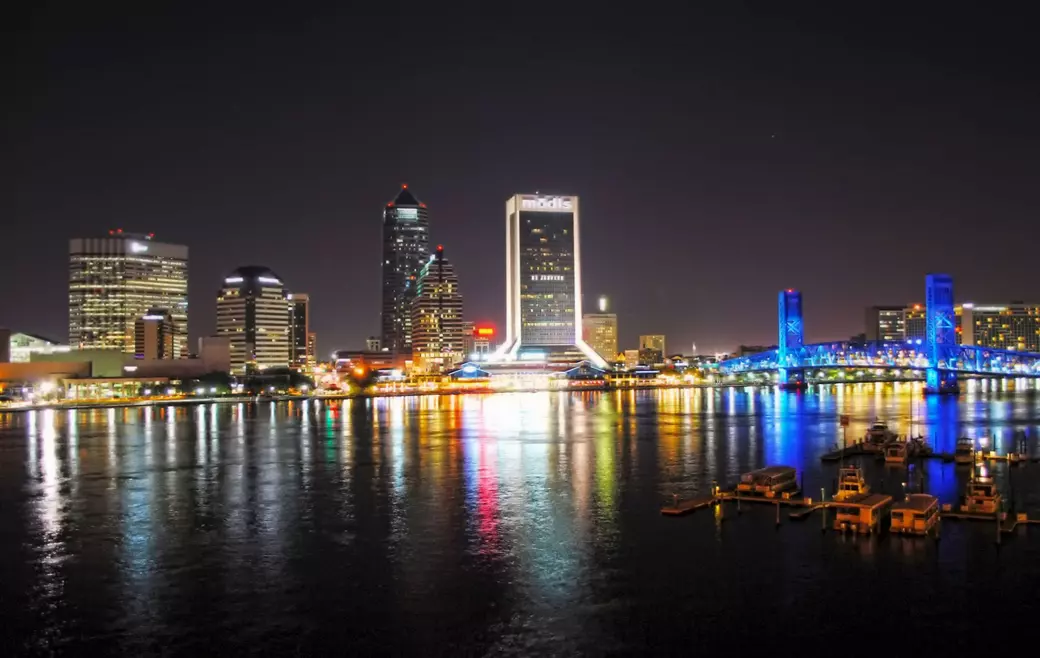

When a hurricane like Isaias strikes, affected homeowners may face thousands of dollars in repair costs and out-of-pocket expenses.
According to Angi, these could range from $3,000 to $25,000, depending on the extent of the damage. And if your home is located in an HOA, you may pay even more.
“After a hurricane, an HOA homeowner may face two layers of recovery: damage to their own residence and damage to common or shared property the association maintains,” explains Donna DiMaggio Berger, shareholder at Becker and Poliakoff in Ft. Lauderdale.
How an HOA affects homeowners after a hurricane
After a major disaster like a hurricane, an HOA may need to repair common areas and infrastructure, address insurance deductibles and uninsured losses, and restore essential community services.
If insurance proceeds and existing association funds are insufficient, homeowners could be charged a special assessment to fund their share of those costs.
Melanie Zimmerman, owner and real estate agent at MVP Chicago Real Estate in Chicago recently worked with a client who lives in a Chicago area condo and received a whopping special assessment of $7,400.
Part of the building’s roof had sustained wind and water damage. While her personal insurance policy covered the damage inside her unit, it didn’t pay for the building’s insurance deductible.
“She was shocked by the assessment, believing her regular HOA dues would cover expenses like this. Let her story be a reminder that special assessments can result in other surprises and are not covered by your basic HOA dues,” says Zimmerman.
If your home is not in an HOA, however, you carry the full cost of the damage, but have control over every decision involved. You won’t have to navigate disputes over who is responsible for a roof or wall, wait for board member decisions, or pay assessments for community repairs.
Dawn Bauman, CEO of Community Associations Institute in Falls Church, VA, points out that a disaster doesn’t always mean an HOA homeowner will pay more.
“A well-managed association may actually be better prepared because it has been planning collectively for major repairs and emergencies through insurance, reserve funding, maintenance, professional management, and disaster planning,” Bauman explains.
What to do to protect yourself financially
If you live in an HOA, read your governing documents closely. Get up to speed on what’s your responsibility vs. the association’s responsibility, particularly for roofs, windows, doors, landscaping, and other components susceptible to storm damage.
Then, review its insurance coverage and your personal homeowner policy so you know what each policy covers and where gaps may exist.
“Ask your insurance agent specifically about loss-assessment coverage and whether the limits are adequate for your community's potential exposure. Don’t assume your personal coverage will automatically cover every special assessment,” Berger explains.
Check your association's hurricane or named-storm deductible. In a large community, even a percentage deductible can translate into a substantial dollar amount that ultimately must be funded by everyone who lives there.
Also, get involved in your HOA election and vote on all matters.
“Vote in your HOA election each year and support candidates who stress sound fiscal planning and well-funded reserves. That’s what helps communities recover quickly and painlessly from most disasters,” says Berger.
Speaking of reserves, Edward Susolik, president and trial attorney at Callahan & Blaine in Irvine, CA, explains that the time to argue about them is at the annual meeting—not after a natural disaster strikes.
“Once a hurricane happens, the board has the ability to throw on assessments fast. And if you never looked at that budget, you’ve got nothing to leverage,” adds Susolik.
It’s also important to maintain and document your property's pre-storm condition. Preventive measures can reduce damage and may help preserve available insurance rights.
If and when a disaster hits, document damage promptly with date-stamped photographs and video. Then, notify your insurance company and preserve receipts and other records relating to emergency work and repairs.
“Documentation can make the claims process and recovery easier,” says Bauman.
Categories
Recent Posts


"My job is to find and attract mastery-based agents to the office, protect the culture, and make sure everyone is happy! "